
|
|
|
Patronaty SMTG
Międzynarodowe Centrum Sztuk Graficznych
wirtualne muzeum współczesnej grafiki
grafika - uczeń i jego promotor
2021-06-09
SMTG | Zapraszamy na naszą nową stronę internetową

Szanowni Państwo, w dniu 9 czerwca 2021 żegnamy się z Państwem na stronie internetowej Stowarzyszenia Międzynarodowego Triennale Grafiki pod adresem: http://www.triennial.cracow.pl/. Jednocześnie zapraszamy Państwa do korzystania z nowej domeny Stowarzyszenia Międzynarodowego Triennale Grafiki: www.triennial.pl
2021-05-20
MTG 2021 | Artyści wybrani na wystawę transgrafia 2.0
Z wielką radością pragniemy poinformować, że Jury konkursu transgrafia 2.0 podjęło decyzję o wybraniu prac następujących Artystek i Artystów na wystawę transgrafia 2.0 | Sztuka jest przestrzenią wolności.
2021-04-21
MTG 2021 | Jan Pamuła Laureatem Grand Prix d'Honneur!
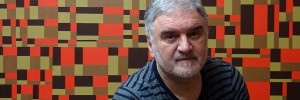
Zarząd Stowarzyszenia Międzynarodowe Triennale Grafiki w Krakowie ma zaszczyt ogłosić, że Laureatem Grand Prix d’Honneur – nagrody przyznawanej za całokształt twórczości oraz szczególne zasługi dla międzynarodowego i polskiego środowiska graficznego – w 2021 roku został prof. Jan Pamuła.
2021-04-20
MTG 2021 na antenie RADIA KRAKÓW!
Zapraszamy do wysłuchania dzisiejszej audycji Koło Kultury, która w całości poświęcona będzie sztukom wizualnym a zwłaszcza tegorocznej edycji Międzynarodowego Triennale Grafiki w Krakowie!
2021-04-02
[MTG 2021] transgrafia 2.0
![[MTG 2021] transgrafia 2.0](/files/objects/4821/14/transgrafia_2-0_kolor.jpg)
Nowa edycja konkursu transgrafia! Sztuka jest przestrzenią wolności. Wytchnienie. Nadzieja. Sztuka. Wolność.
2021-03-22
MTG 2021 | Artyści wybrani na Wystawę Główną MTG 2021

Z wielką radością pragniemy poinformować, że po trzech intensywnych spotkaniach Międzynarodowe Jury MTG 2021 w Krakowie w składzie: Sean Caulfield (Kanada), Grzegorz Hańderek (Polska), Olivia Niţiş (Rumunia), Marta Anna Raczek-Karcz (Polska) i Diane Victor (RPA) podjęło decyzję o wybraniu prac następujących 74 Artystek i Artystów na Wystawę Główną MTG 2021 w Krakowie.
2021-02-09
Wspomnienie - prof. Jacek Gaj

Z wielkim żalem zawiadamiamy, że 6 lutego 2021 roku odszedł wybitny Artysta-Grafik, wspaniały Pedagog i niezwykły Człowiek – Profesor Jacek Gaj.
2021-01-29
MTG 2021 | przedłużenie naboru!

MTG 2021 – nabór przedłużony do 14 lutego 2021 do godz. 23:59. MTG 2021 – extended deadline for the call for application until 02/14/2021 by 11:59 p.m.
2020-01-21
[Weż udział w] transgrafia 1.5 Kraków 2020 | Między sztuką, a sztuką
![[Weż udział w] transgrafia 1.5 Kraków 2020 | Między sztuką, a sztuką](/files/objects/4806/14/transgrafia1,5_KOLORYSTYKA.jpg)
Serdecznie zapraszamy do udziału w konkursie transgrafia 1.5 Kraków 2020!!!
2019-08-14
Wspomnienie - HongQiang Bian

Tydzień temu dotarła do nas bardzo smutna wiadomość o przedwczesnej śmierci chińskiego grafika HongQiang Biana. Bian miał zaledwie 23 lata, lecz pomimo młodego wieku, jego prace wzbudziły zachwyt międzynarodowego grona jurorów dokonującego wyboru prac na Wystawę Główną Międzynarodowego Triennale Grafiki 2018 w Krakowie. Te niezwykle poetyckie opowieści zostały stworzone z olbrzymim wyczuciem formy, a przede wszystkim z wyjątkową wrażliwością na kwestie w ostatnich czasach najważniejsze: przekształcenia geo-klimatyczne, warunki koegzystencji gatunków i możliwe konsekwencje jakie przyniesie ze sobą Antropocen, które przekształciły się w pracach chińskiego artysty w baśniową metaforę. Z żalem zawiadamiamy o śmierci artysty, dla którego – jak napisał Cui Xiaohua – krakowskie Triennale było wielką inspiracją, a udział w Wystawie Głównej zaszczytem.
2019-07-26
[MCSG] POSTAWY | KOBAYASHI-UENO-SZYMANOWICZ-MOSIO
![[MCSG] POSTAWY | KOBAYASHI-UENO-SZYMANOWICZ-MOSIO](/files/objects/4792/14/banner.jpg)
W sierpniu w Międzynarodowym Centrum Sztuk Graficznych w Krakowie zostanie zaprezentowana wystawa ,,POSTAWY”.
2019-07-23
Zmarł prof. Wiktor Jędrzejec
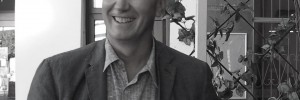
Z olbrzymim żalem przyjęliśmy wiadomość o śmierci prof. Wiktora Jędrzejca, wspaniałego artysty i niezrównanego organizatora, wielkiego Przyjaciela Stowarzyszenia Międzynarodowe Triennale Grafiki w Krakowie, który przez wiele lat służył Nam radą i pomocą w poruszaniu się po nierzadko trudnych meandrach procedur grantowych i prawnych związanych z prowadzeniem instytucji kultury. Uśmiech i radość w oczach prof. Wiktora Jędrzejca pozostaną z Nami na zawsze, podobnie jak wdzięczność wyryta w Naszych sercach za jego otwartość, rady i wsparcie, których nigdy Nam nie skąpił. Zarząd i Współpracownicy SMTG w Krakowie Profesor Wiktor Jędrzejec fot. prof. Andrzej Węcławski
2019-06-21
Zmarł Akira Kurosaki

Z żalem zawiadamiamy, że w dniu 14 maja odszedł Akira Kurosaki - wspaniały grafik, wielki Przyjaciel krakowskiego Triennale i polskich Grafików.
2019-06-22
[MCSG] Sikorski / Szafran: w dialogu | wernisaż wystawy
![[MCSG] Sikorski / Szafran: w dialogu | wernisaż wystawy](/files/objects/4785/14/baner szafran.jpg)
W imieniu Artystów i własnym serdecznie zapraszamy na wernisaż wystawy SIKORSKI / SZAFRAN: w dialogu.
2019-05-25
The Note/Zapis | Andrzej Węcławski | finisaż wystawy
Serdecznie zapraszamy na finisaż wystawy Andrzeja Węcławskiego "The Note/Zapis".
2019-05-16
The Note/Zapis | Andrzej Węcławski | FOTORELACJA
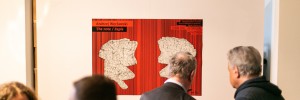
Serdecznie zapraszamy do zapoznania się z fotorelacją z wernisażu wystawy prac Andrzeja Węcławskiego "The Note/Zapis".
2019-04-25
The Note/Zapis | Andrzej Węcławski | wernisaż wystawy

Serdecznie zapraszamy na wernisaż wystawy prac prof. Andrzeja Węcławskiego "The Note/Zapis". Słowo od artysty: Moja sztuka łączy rozważania natury filozoficznej i przetransponowany na język abstrakcji świat rzeczywisty, które tworzą wzajemny wizualny dialog. Kolejne realizacje zamykam w cykle prac. Cykl „Alfabet znaków”, realizowany przez kilka lat, jest długo seryjną wizualizacją. Jej istota zapisana w kodzie alfabetu pozostawia margines interpretacyjny. Staram się skłonić widza do refleksji i intensywnego zaangażowania, indywidualnego odczuwania sztuki.
2019-04-18
[Zaprosili nas] II LITHO KIELCE 2018/2019 | wernisaż
![[Zaprosili nas] II LITHO KIELCE 2018/2019 | wernisaż](/files/objects/4765/14/image005.jpg)
W imieniu Biura Wystaw Artystycznych w Kielcach oraz własnym serdecznie zapraszamy na otwarcie wystawy pokonkursowej II LITHO KIELCE 2018/2019! Wernisaż oraz ceremonia wręczenia nagród odbędą się 26 kwietnia (piątek) 2019 r. o godz. 18:00 w Galerii Górnej i Dolnej BWA, ul. Kapitulna 2, Kielce.
2019-04-12
[Zaprosili nas] PLASTYKA WIDZENIA | Cracow Art Week KRAKERS 2019
![[Zaprosili nas] PLASTYKA WIDZENIA | Cracow Art Week KRAKERS 2019](/files/objects/4764/14/1920x600.jpg)
Serdecznie zapraszamy na wystawę "Plastyka widzenia". Wydarzenie odbywa się w ramach Cracow Art Week KRAKERS 2019. Wernisaż będzie miał miejsce w niedzielę, 14 kwietnia o godzinie 17:30 w Galerii Zalubowski w Krakowie (ul. Kącik 9).
2019-04-04
[Zaprosili nas] Priscilla Romero | Spotkanie z artystką i... zbieranie śladów
![[Zaprosili nas] Priscilla Romero | Spotkanie z artystką i... zbieranie śladów](/files/objects/4763/14/Zaproszenie_elektroniczne_02_Priscilla Romero.jpg)
W imieniu Muzeum Okręgowego im. Leona Wyczółkowskiego w Bydgoszczy oraz własnym zapraszamy na cykl spotkań z Laureatką Nagrody Specjalnej Muzeum im. Leona Wyczółkowskiego w Bydgoszczy (2018) Priscillą Romero! Szczegóły w załączonym zaproszeniu!
2019-03-27
Natalia Nowacka | MACULA CECA. Wypatrywanie, zapatrzenie, wyglądanie, wglądanie, przewidzenie | wernisaż wystawy

Serdecznie zapraszamy na wernisaż wystawy Natalii Nowackiej "MACULA CECA. Wypatrywanie, zapatrzenie, wyglądanie, wglądanie, przewidzenie".
2019-03-22
Halina Cader & Mirosław Niesyto | Ziarno | FOTORELACJA
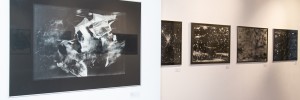
Zapraszamy do zapoznania się z fotorelacją z wtorkowego wernisażu wystawy Haliny Cader i Mirosława Niesyto ZIARNO. Wystawa czynna do 9 kwietnia 2019r. Zapraszamy do MCSG (Galeria Centrum) od poniedziałku do piątku w godz. 10:00 - 15:30. [FOT. STAN BARAŃSKI]
2019-03-22
[Weź udział w] 6 Międzynarodowe Triennale Grafiki Cyfrowej - Gdynia 2019
![[Weź udział w] 6 Międzynarodowe Triennale Grafiki Cyfrowej - Gdynia 2019](/files/objects/4758/14/6_cyfra_logo-300x123.jpg)
W imieniu organizatorów serdecznie zapraszamy do wzięcia udziału w 6 Międzynarodowym Triennale Grafiki Cyfrowej - Gdynia 2019! Wszystkie informacje dotyczące triennale można znaleźć w regulaminie i karcie zgłoszeniowej dostępnej na stronie Stowarzyszenia Promocji Artystów Wybrzeża ERA ART: www.eraartprofile.pl
2019-03-12
[Zaprosili nas] Wojciech Domagalski, Andrzej Kalina, Piotra Żaczek | Miejsca
![[Zaprosili nas] Wojciech Domagalski, Andrzej Kalina, Piotra Żaczek | Miejsca](/files/objects/4746/14/190228093621.jpg)
W imieniu organizatorów serdecznie zapraszamy na wystawę grafiki Wojciecha Domagalskiego, Andrzeja Kaliny i Piotra Żaczka, zatytułowaną "Miejsca".
2019-03-06
Ziarno|Halina Cader & Mirosław Niesyto|Wernisaż Wystawy

W imieniu Zarządu i Zespołu SMTG serdecznie zapraszamy na wernisaż wystawy Halina Cader & Mirosław Niesyto "Ziarno". Wystawa dwojga artystów powstała w wyniku działań równoległych trwających około roku. Punktem wyjścia projektu były dwa ogrody, zakończeniem prace wykonane w szlachetnych technikach fotograficznych. Są tu dwa odmienne podejścia do tytułowego tematu. W wypadku Haliny Cader to obserwacja wędrówek lotnych ziaren ostu szukających zagłębień terenu lub zacisznych miejsc, aby się zasiać. Mirosław Niesyto odniósł się do pojęcia ziarna graficznego. Zastosował technologię bezpośredniego wyświetlania obrazów na materiale światłoczułym, pośród ziarna gumy chromianowej ukrywają się pojedyncze piksele nie zakłócając harmonii obrazów.
2019-02-20
Dominika Anna Borek "Niczym" | FOTORELACJA

Serdecznie zapraszamy do zapoznania się z fotorelacją z wernisażu wystawy Dominiki Anny Borek "Niczym".
2019-02-12
[MCSG] 7. Wystawa Członków SMTG w Krakowie - zamknięcie wystawy
![[MCSG] 7. Wystawa Członków SMTG w Krakowie - zamknięcie wystawy](/files/objects/4725/14/logo MCSG-12.jpg)
Informujemy, że z przyczyn technicznych 7. Wystawa Członków SMTG trwać będzie wyłacznie do dnia 13.02.2019r. Ostatnia szansa na obejrzenie wystawy jutro między 10:00 - 15:30. Serdecznie zapraszamy i przepraszamy za utrudnienia!
2019-02-08
Dominika Anna Borek "Niczym" wernisaż wystawy
Serdecznie zapraszamy na wernisaż wystawy rysunków i obiektów Dominiki Anny Borek "NICZYM".
2019-01-31
[Weź udział w] Letnie Międzynarodowe Kursy Grafiki i Tkaniny Artystycznej PATA
![[Weź udział w] Letnie Międzynarodowe Kursy Grafiki i Tkaniny Artystycznej PATA](/files/objects/4705/14/2019_pata_zakladka pl i eng-03.jpg)
W imieniu organizatora serdecznnie zapraszamy do wzięcia udziału w Letnich Międzynarodowych Kursach Grafiki i Tkaniny Artystycznej PATA. Już po raz siódmy Akademia Sztuk Pięknych im. Władysława Strzemińskiego w Łodzi we współpracy z KAUS Urbino ma przyjemność zaprosić artystów i miłośników sztuki do udziału w Letnich Międzynarodowych Kursach Grafiki i Tkaniny Artystycznej PATA. Sześć poprzednich edycji przyciągnęło do Łodzi artystów z ponad 30 krajów, takich jak Włochy, USA, Kanada, Chiny czy RPA i cieszyły się dużym uznaniem uczestników. Oferta siódmej edycji zajęć adresowanych zarówno do osób początkujących, jak i doświadczonych artystów, została podzielona na dwie części. Tradycyjnie, jako dopełnienie oferty dydaktycznej, program kursów PATA przewiduje także kursy interdyscyplinarne: kurs projektowania graficznego, kurs komiksu i preprodukcji gier oraz filmów a także kurs papieru ręcznie czerpanego.
2018-12-10
[Weź udział w] Haugesund International Festival of Artistic Relief Printing
![[Weź udział w] Haugesund International Festival of Artistic Relief Printing](/files/objects/4693/14/HIT519-40-18_HIT-Festival_invitasjon_Engelsk-1.jpg)
W imieniu organizatorów gorąco zachęcamy do wzięcia udziału w nowym konkursie graficznym! Haugesund International Festival of Artistic Relief Printing odbędzie się w maju 2019.
2018-12-03
[Weź udział w] 7. Wystawa Członków SMTG
![[Weź udział w] 7. Wystawa Członków SMTG](/files/objects/4692/14/7smtg-BannerWWW-1.jpg)
Serdecznie zapraszamy Członków i Członkinie Stowarzyszenia Międzynarodowe Triennale Grafiki w Krakowie do udziału w 7.Wystawie Członków SMTG.
2018-11-23
[Weź udział w] NÓWKA SZTUKA - Targi plakatu, grafiki, fotografii, rzeźby, malarstwa i sztuki użytkowej
![[Weź udział w] NÓWKA SZTUKA - Targi plakatu, grafiki, fotografii, rzeźby, malarstwa i sztuki użytkowej](/files/objects/4691/14/plakat-strona-1.jpg)
W imieniu organizatorów serdecznie zapraszamy do udziału w pierwszej edycji NÓWKA SZTUKA - Targów plakatu, grafiki, fotografii, rzeźby, malarstwa i sztuki użytkowej.
2018-11-22
[BIURO] Biuro SMTG informuje o utrudnieniach w funkcjonowaniu poczty elektronicznej
![[BIURO] Biuro SMTG informuje o utrudnieniach w funkcjonowaniu poczty elektronicznej](/files/objects/4690/14/logo_smtg_male.jpg)
Szanowni Państwo, otrzymaliśmy informację, iż od pewnego czasu wysyłane przez nas maile automatycznie kategoryzowane są jako SPAM lub „wiadomości śmieci”. Bardzo prosimy sprawdzić wzmiankowane foldery na swoich kontach pocztowych i (jeśli pragną Państwo dalej otrzymywać od nas informacje) oznaczyć SMTG jako bezpiecznego nadawcę. Za utrudnienia przepraszamy!
2018-11-22
25 lat Kärcher Polska!

Serdecznie zapraszamy do zapoznania się z filmem podsumowującym 25 lat działalności Kärcher Polska, który już od 21 lat jest Master Sponsorem SMTG w Krakowie!
2018-11-15
Wernisaż wystawy | Z widokiem na Ślężę. Jacek Joostberens – Grafika | fotorelacja
Zapraszamy do zapoznania się z fotorelacją z wernisażu wystawy „Z widokiem na Ślężę. Jacek Joostberens – Grafika".
2018-11-14
[MTG 2018] Fenomen Grafiki Polskiej | sesja naukowa - fotorelacja
![[MTG 2018] Fenomen Grafiki Polskiej | sesja naukowa - fotorelacja](/files/objects/4656/14/1.jpg)
Zapraszamy do zapoznania się z fotorelacją z sesji naukowej "Fenomen Grafiki Polskiej". Sesja odbyła się 5 listopada 2018 roku w Międzynarodowym Centrum Sztuk Graficznych w Krakowie.
2018-11-06
[Program Towarzyszący MTG 2018 Kraków] Wernisaż wystawy "Z widokiem na Ślężę. Jacek Joostberens – Grafika"
![[Program Towarzyszący MTG 2018 Kraków] Wernisaż wystawy "Z widokiem na Ślężę. Jacek Joostberens – Grafika"](/files/objects/4639/14/Z widokiem na Ślężę_kwadrat 4.jpg)
Zarząd i Współpracownicy SMTG serdecznie zapraszają na wernisaż jubileuszowej wystawy „Z widokiem na Ślężę. Jacek Joostberens – Grafika" zorganizowanej z okazji dwudziestolecia pracy twórczej autora. Jest to wystawa towarzysząca Międzynarodowemu Triennale Grafiki 2018 w Krakowie.
2018-10-26
[MTG 2018] FENOMEN GRAFIKI POLSKIEJ | sesja naukowa
![[MTG 2018] FENOMEN GRAFIKI POLSKIEJ | sesja naukowa](/files/objects/4625/14/6.jpg)
Zarząd i współpracownicy Stowarzyszenia Międzynarodowe Triennale Grafiki w Krakowie serdecznie zapraszają na sesję naukową "Fenomen Grafiki Polskiej". Sesja jest dopełnieniem Programu Głównego Międzynarodowego Triennale Grafiki 2018 w Krakowie i towarzyszy wystawie Władysław Winiecki. Wielki Wodewil – pierwszej tak obszernej krakowskiej prezentacji prac Laureata Grand Prix Międzynarodowego Biennale Grafiki 1978 w Krakowie.
2018-10-19
Fotoreportaż z finisażu wystawy Agnieszki Cieślińskiej
Zapraszamy do zapoznania się z fotoreportażem z finisażu wystawy: Re-tablo. Grafiki Agnieszki Cieślińskiej Finisaż odbył się w Międzynarodowym Centrum Sztuk Graficznych w Krakowie 13 października 2018 roku.
2018-10-12
[Program Towarzyszący MTG 2018 Kraków] WIELOŚĆ W JEDNOŚCI |sesja naukowa
![[Program Towarzyszący MTG 2018 Kraków] WIELOŚĆ W JEDNOŚCI |sesja naukowa](/files/objects/4602/14/mob.jpg)
Zarząd i współpracownicy Stowarzyszenia Międzynarodowe Triennale Grafiki w Krakowie oraz Dyrektor Muzeum Okręgowego im. L. Wyczółkowskiego w Bydgoszczy dr hab. Michał Woźniak, prof. UMK serdecznie zapraszają na sesję naukową towarzyszącą wystawie "Wielość w jedności. Offset, serigrafia, techniki cyfrowe i działania intermedialne w grafice polskiej".
2018-09-20
[MTG2018] Reportaż o MTG 2018 w TVP Kraków!
![[MTG2018] Reportaż o MTG 2018 w TVP Kraków!](/files/objects/4599/14/_MG_1607.JPG)
Z radością informujemy, iż dnia 22 września (sobota) będą mieli Państwo okazję obejrzeć reportaż filmowy o tegorocznej edycji Międzynarodowego Triennale Grafiki!
2018-09-20
[MCSG] Re-tablo. Grafiki Agnieszki Cieślińskiej
![[MCSG] Re-tablo. Grafiki Agnieszki Cieślińskiej](/files/objects/4598/14/praca na okladke.jpg)
Na przełomie września i października Międzynarodowe Centrum Sztuk Graficznych w Krakowie będzie prezentowało wystawę "Re-tablo. Grafiki Agnieszki Cieślińskiej".
2018-09-10
[Program Towarzyszący MTG 2018 Kraków] Tomasz Struk. Prześwity i (nie)pamięci
![[Program Towarzyszący MTG 2018 Kraków] Tomasz Struk. Prześwity i (nie)pamięci](/files/objects/4583/14/Tomasz Struk_plakat-1.jpg)
Serdecznie zapraszamy na wystawę towarzyszącą 10 edycji Triennale Grafiki Polskiej "Tomasz Struk. Prześwity i (nie)pamięci".
2018-09-07
[Weź udział w] MIĘDZYNARODOWE TRIENNALE LITOGRAFII II LITHO-KIELCE /2018-19
![[Weź udział w] MIĘDZYNARODOWE TRIENNALE LITOGRAFII II LITHO-KIELCE /2018-19](/files/objects/4580/14/znaczek-II-LITHO-KIELCE-2018-19.png)
Serdecznie zapraszamy do wzięcia udziału w II edycji konkursu LITHO-Kielce /2018-19.
2018-09-04
[MTG 2018] Słowobrazy | spotkanie z Bronką Nowicką
![[MTG 2018] Słowobrazy | spotkanie z Bronką Nowicką](/files/objects/4559/14/bronka.jpg)
W ramach finisażu transgrafii (8.7-15.9.2018, Kraków, ul. Dolnych Młynów 10) zapraszamy na spotkanie z jurorką i uczestniczką wystawy – Bronką Nowicką.
2018-09-04
[Program Towarzyszący MTG 2018 Kraków] 'Projekt: Kultura' | wernisaż wystawy
![[Program Towarzyszący MTG 2018 Kraków] 'Projekt: Kultura' | wernisaż wystawy](/files/objects/4556/14/unnamed.jpg)
Zarząd i współpracownicy Stowarzyszenia Międzynarodowe Triennale Grafiki w Krakowie serdecznie zapraszają na wernisaż wystawy "Projekt: Kultura. Projekty graficzne w działaniach Krakowskiego Biura Festiwalowego" - wystawa jest wydarzeniem towarzyszącym Międzynarodowego Triennale Grafiki 2018 w Krakowie.
2018-08-29
[MTG 2018] "Migotanie. Grafika Południowokoreańska" - wernisaż
![[MTG 2018] "Migotanie. Grafika Południowokoreańska" - wernisaż](/files/objects/4555/14/Dong Hyun Lee, Make one's living I , 80x57.jpg)
Serdecznie zapraszamy na wernisaż wystawy "Migotanie. Grafika Południowokoreańska".
2018-08-29
[MTG 2018] Słowobrazy | spotkanie z Bronką Nowicką
![[MTG 2018] Słowobrazy | spotkanie z Bronką Nowicką](/files/objects/4547/14/40351934_2360826593944048_3365201640574418944_n.jpg)
W ramach finisażu transgrafii (8.7-15.9.2018, Kraków, ul. Dolnych Młynów 10) zapraszamy na spotkanie z jurorką i uczestniczką wystawy – Bronką Nowicką.
[Program Towarzyszący MTG 2018 Kraków] Wernisaż wystawy "Z widokiem na Ślężę. Jacek Joostberens – Grafika"
![[Program Towarzyszący MTG 2018 Kraków] Wernisaż wystawy "Z widokiem na Ślężę. Jacek Joostberens – Grafika"](/files/objects/4544/14/Z widokiem na Ślężę_baner 3.jpg)
Serdecznie zapraszamy na wernisaż wystaw "Z widokiem na Ślężę. Jacek Joostberens - Grafika".
2018-08-24
[MTG 2018] Finisaż wystawy "Zanurzeni w obrazach"
![[MTG 2018] Finisaż wystawy "Zanurzeni w obrazach"](/files/objects/4543/14/39386294_2160259850725169_4354360281317507072_o.jpg)
Finisaż wystawy "Zanurzeni w obrazach"
2018-08-06
[Grafika przez cały rok 2018] Monika Pałka NIEOCZYWISTE II 10.08. 2018 – 25.08.2018
![[Grafika przez cały rok 2018] Monika Pałka NIEOCZYWISTE II 10.08. 2018 – 25.08.2018](/files/objects/4541/14/NEW ERA ART zaproszenie.jpg)
Serdecznie zapraszamy na drugą odsłonę wystawy NIEOCZYWISTE Moniki Pałki. Wernisaż wystawy NIEOCZYWISTE II odbędzie się 10 sierpnia (piątek) o godz. 19.00 w GALERII NEW ERA ART Fundacji NEW ERA ART Jana Potockiego, w Pałacu pod Baranami, Kraków, Rynek Główny 27, wejście od ul. Św. Anny.
2018-07-31
Final Show PATA

Zapraszamy serdecznie na wernisaż wystawy końcowej pierwszej sesji Międzynarodowych Letnich Kursów PATA, który odbędzie się 31 lipca 2018 r. o godz. 12:00 w Galerii Kobro (1 piętro, budynek główny ASP, ul. Wojska Polskiego 121).
2018-07-25
Laureaci MTG 2018 - szczegóły
Zachęcamy do zapoznania się z laureatami Międzynarodowego Triennale Grafiki 2018. Po kliknięciu w nazwisko artysty będziecie Państwo mogli zobaczyć nagrodzone prace i przeczytać opisy.
2018-07-23
Wspomnienie - Jerzy Napieracz

11 lipca 2018 zmarł Jerzy Napieracz - artysta-grafik.
2018-07-17
[MTG 2018] Oprowadzanie kuratorskie po wystawie "Zanurzeni w Obrazach"
![[MTG 2018] Oprowadzanie kuratorskie po wystawie "Zanurzeni w Obrazach"](/files/objects/4450/14/IMG_4044.JPG)
Zapraszamy na oprowadzenie po Wystawie Głównej Międzynarodowego Triennale Grafiki 2018 „Zanurzeni w obrazach / Immersed in images”. O pracach opowie kuratorka, Marta Raczek-Karcz.
2018-07-16
ENTER / EXIT 3 | Wystawa Programu Towarzyszącego MTG 2018 Kraków
Serdecznie zapraszamy na wernisaż wystawy ENTER / EXIT 3, zorganizowanej przez Galerię Pryzmat ZPAP w ramach Programu Towarzyszącego Międzynarodowego Triennale Grafiki 2018.
2018-07-13
[Grafika przez cały rok] Bartłomiej Chwilczyński FORGOTTEN WORLDS.
![[Grafika przez cały rok] Bartłomiej Chwilczyński FORGOTTEN WORLDS.](/files/objects/4414/14/czarno białe strona 3 copy.png)
Serdecznie zapraszamy na wernisaż wystawy "FORGOTTEN WORLDS" Bartłomieja Chwilczyńskiego, który odbędzie się 13go lipca (piątek) o godz. 20:00 w Narodowym Starym Teatrze im. Heleny Modrzejewskiej w Krakowie.
2018-07-12
Laureaci Międzynarodowego Triennale Grafiki 2018

Zarząd i współpracownicy Stowarzyszenia Międzynarodowe Triennale Grafiki w Krakowie prezentują laureatów Międzynarodowego Triennale Grafiki 2018 Kraków.
2018-07-10
[MTG 2018] Zanurzeni w Obrazach - oprowadzanie po wystawie
![[MTG 2018] Zanurzeni w Obrazach - oprowadzanie po wystawie](/files/objects/4346/14/bruds.jpg)
Dzisiaj o godzinie 17:00 w Bunkrze sztuki odbędzie się oprowadzanie po wystawie Immersed in Images/Zanurzeni w Obrazach.
2018-07-10
[MTG 2018] Otwarcie wystawy Monika Pałka. Nieoczywiste. Grafika Cyfrowa
![[MTG 2018] Otwarcie wystawy Monika Pałka. Nieoczywiste. Grafika Cyfrowa](/files/objects/4345/14/Monika Pałka, WIEŻA, druk cfrowy, 120x70cm, 2018.jpg)
Serdecznie zapraszamy na otwarcie wystawy w ramach programu towarzyszącego Międzynarodowego Triennale Grafiki 2018.
2018-07-07
Deborah Cornell. Zaćmienie i potop. Oprowadzanie po wystawie

Oprowadzanie po wystawie z udziałem artystki odbędzie się w niedzielę, 8 lipca o godz. 14.00, Międzynarodowe Centrum Kultury, Rynek Główny 25. Oprowadzanie z symultanicznym tłumaczeniem na j. polski.
2018-06-15
WOLONTARIAT MTG 2018
Stowarzyszenie Międzynarodowe Triennale Grafiki poszukuje wolontariuszy w terminie 2-7 lipca w związku z otwarciem wystaw z Programu Głównego Międzynarodowego Triennale Grafiki 2018.
2018-06-15
PRACA MTG 2018 | transgrafia
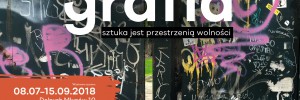
Szanowni Państwo, na czas trwania wystawy transgrafia poszukujemy osób do pilnowania ekspozycji, która będzie prezentowana na terenie Fundacji Tytano – ul. Dolnych Młynów 10 w Krakowie.
2018-06-11
Oikos... [Program Towarzyszący MTG 2018 Kraków]
![Oikos... [Program Towarzyszący MTG 2018 Kraków]](/files/objects/4313/14/16. A. A. Panasiewicz, Light Pollution.JPG)
Otworzyła się kolejna wystawa Programu Towarzyszącego Międzynarodowego Triennale Grafiki 2018 w Krakowie.
2018-06-08
Hotel pod Wawelem partnerem MTG 2018

Z radością informujemy, że Hotel pod Wawelem został Hotelem Partnerskim Międzynarodowego Triennale Grafiki 2018!
2018-05-07
Ryszard Otręba laureatem Nagrody Grand Prix d'Honeur
_88x59.jpg)
Decyzją Międzynarodowego Jury oraz Zarządu Stowarzyszenia Międzynarodowe Triennale Grafiki w Krakowie, Laureatem Nagrody Grand Prix d'Honeur w roku 2018 zostaje Ryszard Otręba.
2018-04-03
[Wystawy Członków SMTG w Krakowie] Mind Mapping
![[Wystawy Członków SMTG w Krakowie] Mind Mapping](/files/objects/4198/14/Agnieszka Łakoma_City of my dreams_IV_serigrafia_2017 r.jpg)
W imieniu Organizatorów, Artystek oraz własnym serdecznie zapraszamy na wystawę grafiki i rysunku Agnieszki Łakomej, Eweliny Małysy i Małgorzaty Stachurskiej Mind Mapping
2018-04-05
Wyniki I etapu konkursu transgrafia

Szanowni Państwo, poniżej publikujemy listę Artystek i Artystów, których prace zostały wybrane w pierwszym etapie konkursu transgrafia.
2018-03-29
[MTG 2018] Wyniki obrad Jury Konkursu Międzynarodowego Triennale Grafiki 2018
![[MTG 2018] Wyniki obrad Jury Konkursu Międzynarodowego Triennale Grafiki 2018](/files/objects/4195/14/szablon immersed.jpg)
Szanowni Państwo, poniżej publikujemy listę Artystek i Artystów, których prace zostały wybrane na Wystawę Główna MTG 2018. Szczegóły dotyczące ekspozycji Państwa prac zostaną wysłane droga mailową w ciągu tygodnia. Serdecznie gratulujemy!
2018-03-27
Walne Zgromadzenie Sprawozdawcze Członków SMTG | 2018

Szanowni Członkowie i Członkinie SMTG w Krakowie. Informujemy, że Walne Zgromadzenie Sprawozdawcze Członków SMTG w Krakowie zostało wyznaczone na dzień 14. Kwietnia 2018 roku (sobota) o godzinie 12:00 (drugi termin godzina 12:15), w siedzibie SMTG w Krakowie: Rynek Główny 29 – II piętro.
2018-03-27
Informacja o pracy biura w okresie świątecznym

Szanowni Państwo, informujemy, iż w dniach od 30.03.2018 do 03.04.2018 biuro SMTG w Krakowie będzie nieczynne.
2018-02-22
Ceremonia Nadania Statusu Honorowego Profesora Panu Toshihiro Hamano

Szanowni Państwo, zachęcamy do zapoznania się z krótkim fotoreportażem z Ceremonii Nadania Statusu Honorowego Profesora Panu Toshihiro Hamano. Ceremonia ta odbyła się 21.03.2018 w Akademii Sztuk Pięknych w Katowicach
2018-02-20
[Weź udział w] Międzynarodowe Letnie Kursy – Grafika i Tkanina Artystyczna - Łódź 2018
![[Weź udział w] Międzynarodowe Letnie Kursy – Grafika i Tkanina Artystyczna - Łódź 2018](/files/objects/4176/14/300x100.jpg)
Serdecznie zapraszamy do udziału w organizowanych przez Akademię Sztuk Pięknych w Łodzi Międzynarodowych Letnich Kursach – Grafika i Tkanina Artystyczna (PATA).
2018-02-06
Weekend z 6. wystawą grafik Członków SMTG w Krakowie

Szanowni Państwo, informujemy, że w sobotę 10.02 oraz w niedzielę 11.02 galerie Centrum oraz Eksperyment będą otwarte dla zwiedzających w godzinach od 13:00 do 17:00.
2018-02-02
Warsztaty graficzne dla uczniów
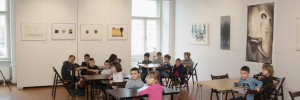
Zachęcamy do zapoznania się z fotoreportażem z warsztatów graficznych, które odbyły się w przestrzeniach MCSG w poniedziałek 29.01.2018.
2018-01-23
Fotoreportaż z otwarcia 6. Wystawy Grafik Członków SMTG w Krakowie

Zapraszamy do zapoznania się z fotoreportażem z wernisażu: 6. wystawy Grafik Członków SMTG w Krakowie Wernisaż odbył się w Międzynarodowym Centrum Sztuk Graficznych w Krakowie 19. stycznia 2018 Wystawa otwarta jest do 11.02.2018
2018-01-18
[MTG 2018] Józef Budka "Prawda śladu – odmienne stany świadomości"
![[MTG 2018] Józef Budka "Prawda śladu – odmienne stany świadomości"](/files/objects/4133/14/jb_zaproszenie_digitial-1.jpg)
Józef Budka "Prawda śladu – odmienne stany świadomości" Wernisaż wystawy 13.01.2018 o 18.00 Wystawa 13.01-01.02.2018 Galeria ASP Rondo Sztuki w Katowicach
2018-01-18
Zmarł Ferdynand Szypuła
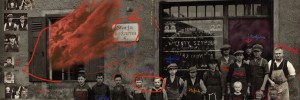
Z żalem zawiadamiamy o śmierci Ferdynanda Szypuły – wybitnego artysty, twórcy wspaniałych scenografii telewizyjnych i teatralnych, w których widoczna była jego miłość do formy graficznej
2018-01-19
6. Wystawa Grafik Członków SMTG w Krakowie

Prezes i Zarząd Stowarzyszenia Międzynarodowe Triennale Grafiki w Krakowie oraz Artyści zapraszają na wernisaż 6. wystawy grafik Członków Stowarzyszenia Międzynarodowe Triennale Grafiki w Krakowie Wernisaż odbędzie się 19. stycznia 2018 roku o godz. 18:00.
2018-01-03
[MTG 2018] Roman Starak "Ponad Czasem"
![[MTG 2018] Roman Starak "Ponad Czasem"](/files/objects/4110/14/1 Pejzaż z hałdą, linoryt, 1969, 50x65 cm.jpg)
Galeria RONDO SZTUKI 40-121 Katowice Rondo im. Gen. Jerzego Ziętka 1 www.rondosztuki.pl wernisaż 5.02.2018 g. 18:00 wystawa 6.02. - 28.02.2018
2017-12-21
Informacja o przedłużeniu wystawy Agnieszka Rożnowska. Wyrwane z Kontekstu

Szanowni Państwo, z wielką radością informujemy, iż ze względu na duże zainteresowanie ekspozycją: Agnieszka Rożnowska. Wyrwane z Kontekstu oraz wystawą kontekstową Przestrzenne wariacje postanowiliśmy przedłużyć czas trwania obu ekspozycji do 05.01.2018, tak aby każdy z Państwa mógł zobaczyć wystawę także po okresie świątecznym.
2017-12-19
Zmarła Jadwiga Smykowska
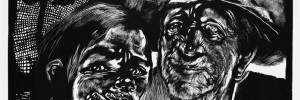
Szanowni Państwo, z wielkim smutkiem informujemy, iż zmarła artystka Jadwiga Smykowska
2017-12-06
Fotoreportaż z wystawy Agnieszki Rożnowskiej - Wyrwane z Kontekstu

Zapraszamy do zapoznania się z fotoreportażem z wernisażu wystawy: Agnieszka Rożnowska. Wyrwane z kontekstu wystawie towarzyszy ekspozycja kontekstowa: Przestrzenne wariacje
2017-12-04
transgrafia - kraków 2018

Jeżeli jesteś artystą. Jeżeli myślisz graficznie. Jeżeli chcesz komentować rzeczywistość. Jeżeli kreujesz współczesność w sposób niestandardowy...
2017-11-27
Agnieszka Rożnowska. Wyrwane z Kontekstu

Prezes i Zarząd Stowarzyszenia Międzynarodowe Triennale Grafiki w Krakowie oraz Artystka zapraszają na wernisaż wystawy: Agnieszka Rożnowska. Wyrwane z Kontekstu Wernisaż odbędzie się 05. grudnia 2017 roku o godz. 18:00.
2017-11-21
Weekend z wystawą Stefan Kaczmarek. Wobec

Szanowni Państwo, informujemy, że w sobotę 25.11 galerie Centrum oraz Eksperyment będą otwarte dla zwiedzających w godzinach od 14:00 do 18:00 (w sobotę).
2017-11-17
6. Wystawa Grafik Członków SMTG w Krakowie

Szanowni Państwo, serdecznie zapraszamy do wzięcia udziału w 6. wystawie grafik Członków SMTG w Krakowie!
2017-11-09
[Wystawy Członków SMTG w Krakowie] Elżbieta Gawlikowska-Łabęcka - fotoreportaż
![[Wystawy Członków SMTG w Krakowie] Elżbieta Gawlikowska-Łabęcka - fotoreportaż](/files/objects/4059/14/300x100.jpg)
Zachęcamy do zapoznania się z fotoreportażem z wernisażu wystawy Elżbiety Gawlikowskiej-Łabęckiej, Członkini SMTG w Krakowie Wernisaż odbył się w Galerii 144 Grafiki w środę 18 października o godzinie 13:30.
2017-11-08
Fotoreportaż z wernisażu wystawy Stefan Kaczmarek. Wobec

Zapraszamy do zapoznania się z fotoreportażem z wernisażu wystawy: Stefan Kaczmarek. Wobec Wernisaż odbył się w Międzynarodowym Centrum Sztuk Graficznych w Krakowie 10. października 2017 Wystawa otwarta jest do 28.11.2017
2017-11-06
Zmarła Katarzyna Kotula
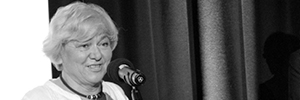
Z wielkim smutkiem zawiadamiamy, że w nocy z 4. na 5. listopada 2017 zmarła redaktor Katarzyna Kotula – Wspaniały Człowiek, Wielka Przyjaciółka Międzynarodowego Triennale Grafiki w Krakowie, Realizatorka znakomitych filmów dokumentalnych poświęconych kolejnym edycjom krakowskiej imprezy oraz filmu z okazji Jublieuszu 50-lecia Biennale i Triennale, zawsze życzliwa i służąca swoją radą i pomocą. Rodzinie Katarzyny Kotuli składamy serdeczne kondolencje. Redaktor pozostanie na zawsze w naszej życzliwej pamięci.
2017-10-31
Stefan Kaczmarek. Wobec

Prezes i Zarząd Stowarzyszenia Międzynarodowe Triennale Grafiki w Krakowie oraz Artyści zapraszają na wernisaż wystawy: Stefan Kaczmarek. Wobec Wernisaż odbędzie się 07. listopada 2017 roku o godz. 18:00. Międzynarodowe Centrum Sztuk Graficznych w Krakowie Rynek Główny 29, II piętro
2017-10-30
[Patronaty SMTG] 22. Wschodni Salon Sztuki
![[Patronaty SMTG] 22. Wschodni Salon Sztuki](/files/objects/4004/14/300x100.jpg)
Zapraszamy 22 Wschodni Salon Sztuki - „Mistrzowie drzeworytu i linorytu współczesnego” Wernisaż wystawy 10 listopada godz.18.00 Sale wystawiennicze Zamku Lubelskiego, ul. Zamkowa 9 VI Międzynarodowa konferencja „Spotkanie Kultur” 10 listopada godz. 9.3o – 18.oo - Sala konferencyjna Zamku Lubelskiego (Galerii Malarstwa Polskiego), ul. Zamkowa 9 11 listopada godz. 12.oo – 15.oo- Sala konferencyjna Zamku Lubelskiego (Galeria Malarstwa Polskiego), ul. Zamkowa 9
2017-10-24
Fotoreportaż z warsztatów graficznych

Zachęcamy do zapoznania się z fotoreportażem z warsztatów graficznych, które odbyły się 21.10.2017 w galerii Eksperyment.
2017-10-19
Weekend z wystawą Mediacje z medium - od klasyki do eksperymentu

Szanowni Państwo, informujemy, że w weekend 21.10 i 22.10 (sobota i niedziela) galerie Centrum oraz Eksperyment będą otwarte dla zwiedzających w godzinach od 13:00 do 18:00 (w sobotę) i od 14:00 do 18:00 (w niedzielę).
2017-10-13
Fotoreportaż z wernisażu wystawy "Mediacje z medium - od klasyki do eksperymentu"

Zapraszamy do zapoznania się z fotoreportażem z wernisażu wystawy: Mediacje z medium - od klasyki do eksperymentu Wernisaż odbył się w Międzynarodowym Centrum Sztuk Graficznych w Krakowie 10. października 2017 Wystawa otwarta jest do 31.10.2017
2017-10-03
[SMTG zaprasza] Mediacje z Medium - od klasyki do eksperymentu
![[SMTG zaprasza] Mediacje z Medium - od klasyki do eksperymentu](/files/objects/3940/14/300x100.jpg)
Prezes i Zarząd Stowarzyszenia Międzynarodowe Triennale Grafiki w Krakowie Rektor Polsko-Japońskiej Akademii Technik Komputerowych w Warszawie oraz Artyści zapraszają na wernisaż wystawyzapraszają na wernisaż wystawy: Mediacje z medium - od klasyki do eksperymentu
2017-09-27
Skrót regulaminu MTG - Kraków 2018

Szanowni Państwo, zachęcamy do zapoznania się ze skrótem regulaminu MTG - Kraków 2018
2017-09-13
Fotoreportaż z wernisażu wystawy "Części i całość"

Zapraszamy do zapoznania się z fotoreportażem z wernisażu wystawy: Części i całość Wernisaż odbył się w Międzynarodowym Centrum Sztuk Graficznych w Krakowie 12. września 2017 Wystawa otwarta jest do 03.10.2017
2017-09-05
[SMTG ZAPRASZA] Części i całość
![[SMTG ZAPRASZA] Części i całość](/files/objects/3909/14/300x100.jpg)
Zapraszamy serdecznie na wernisaż wystawy Części i całość Wernisaż odbędzie się 12. września 2017 roku o godz. 18:00.
2017-08-08
PATA 2017 - Wykład Prezes SMTG dr Marty Anny Raczek-Karcz

Już we wtorek, 8 sierpnia 2017 r., rusza druga w tym roku edycja Letnich Międzynarodowych Kursów Grafiki i Tkaniny Artystycznej PATA. Uroczysta inauguracja rozpocznie się o godz. 9.00 w Auli Centrum Promocji Mody Akademii Sztuk Pięknych w Łodzi (ul. Wojska Polskiego 121).
2017-07-25
Weekend z wystawą Wątki praktyki akademickiej
.jpg)
Szanowni Państwo, informujemy, że w weekend 29.07 i 30.07 (sobota i niedziela) galerie Centrum oraz Eksperyment będą otwarte dla zwiedzających w godzinach od 12:00 do 19:00
2017-07-05
Fotoreportaż z wernisażu wystawy "Wątki Praktyki Akademickiej"

Zapraszamy do zapoznania się z fotoreportażem z wernisażu wystawy: Wątki Praktyki Akademickiej Wernisaż odbył się w Międzynarodowym Centrum Sztuk Graficznych w Krakowie 04. lipca 2017 Wystawa otwarta jest do 31.07.2017
2017-06-26
Wątki praktyki akademickiej

Prezes i Zarząd Stowarzyszenia Międzynarodowe Triennale Grafiki w Krakowie oraz Artyści zapraszają na wernisaż wystawy: Wątki praktyki akademickiej
2017-06-23
STARTUJEMY!!!

Szanowni Państwo, z dumą informujemy, iż rusza kolejna edycja Międzynarodowego Triennale Grafiki - Kraków 2018
2017-06-20
Weekend z grafiką Małgorzaty Malwiny Niespodziewanej

Szanowni Państwo, informujemy, że w weekend 24.05 i 25.06 (sobota i niedziela) galerie Centrum oraz Eksperyment będą otwarte dla zwiedzających w godzinach od 12:00 do 19:00
2017-06-09
Walne Zgromadzenie Sprawozdawcze Członków SMTG | 2017 - Harmonogram

Szanowni Członkowie, Szanowne Członkinie, poniżej publikujemy harmonogram Walnego Zgromadzenia Sprawozdawczego Członków SMTG w Krakowie, które odbędzie się 16.06.2017 o godzinie 17:00 (drugi termin godzina 17:15) w siedzibie SMTG w Krakowie Rynek Główny 29, II piętro.
2017-06-07
Fotoreportaż z wernisażu wystawy Małgorzata Malwina Niespodziewana - Powtórzenie

Zapraszamy do zapoznania się z fotoreportażem z wernisażu wystawy: Małgorzata Malwina Niespodziewana - Powtórzenie oraz wystawy kontekstowej: Erna Rosenstein - Krajobraz
2017-06-01
Walne Zgromadzenie Sprawozdawcze Członków SMTG | 2017

Szanowni Członkowie i Członkinie SMTG w Krakowie Informujemy, że Walne Zgromadzenie Sprawozdawcze Członków SMTG w Krakowie zostało wyznaczone na dzień 16. Czerwca 2017 roku (piątek) o godzinie 17:00 (drugi termin godzina 17:15), w siedzibie SMTG w Krakowie: Rynek Główny 29 – II piętro. Jednocześnie informujemy, że w najbliższych dniach opublikowane zostanie na naszych stronach sprawozdanie z działalności merytorycznej. Przypominamy, że do udziału w Walnym Zgromadzeniu zaproszeni są wszyscy członkowie SMTG w Krakowie, którzy opłacili składki za rok 2017. Jednocześnie informujemy, że składki będzie można opłacić także przed zebraniem.
2017-06-01
Małgorzata Malwina Niespodziewana - Powtórzenie

Prezes i Zarząd Stowarzyszenia Międzynarodowe Triennale Grafiki w Krakowie oraz Artystka zapraszają na wernisaż wystawy: Małgorzata Malwina Niespodziewana Powtórzenie Wernisaż odbędzie się: 06 czerwca 2017 (wtorek) o godz. 18:00 w Międzynarodowym Centrum Sztuk Graficznych w Krakowie, Rynek Główny 29, II piętro.
2017-05-23
Fotoreportaż z otwarcia wystawy High Resolution. Half a Century (1966 - 2015) of the International Print Triennial in Krakow w Debreczynie

Szanowni Państwo, zapraszamy do zapoznania się z krótką fotorelacją z otwarcia wystawy High Resolution. Half a Century (1966 - 2015) of the International Print Triennial in Krakow
2017-05-16
Wieczór z Grafiką w Noc Muzeów w Krakowie

Serdecznie zapraszamy na Wieczór z grafiką w Noc Muzeów w Krakowie! 19.05.2017 (piątek) od godziny 18:00 do 21:00
2017-05-16
High Resolution. Half a Century (1966-2015) of the International Print Triennial in Krakow

Serdecznie zapraszamy na otwarcie wystawy High Resolution. Half a Century (1966 - 2015) of the International Print Triennial in Krakow Wernisaż wystawy odbędzie się 20. maja 2017 o godzinie 15:00 III piętro Centrum Sztuki Współczesnej 4026 Debrecen, Baltazár Dezső tér 1
2017-05-11
Fotoreportaż z wernisażu wystawy Leszek Wyczółkowski. Kod natury

Zapraszamy do zapoznania się z fotoreportażem z wernisażu wystawy: Leszek Wyczółkowski. Kod natury Wernisaż odbył się w Międzynarodowym Centrum Sztuk Graficznych w Krakowie 09. maja 2017 Wystawa otwarta jest do 30.05.2017
2017-04-27
Leszek Wyczółkowski. Kod natury

Prezes i Zarząd Stowarzyszenia Międzynarodowe Triennale Grafiki w Krakowie zapraszają na wernisaż wystawy: Leszek Wyczółkowski. Kod natury Wernisaż odbędzie się: 09 maja 2017 (wtorek) o godz. 18:00 w Międzynarodowym Centrum Sztuk Graficznych w Krakowie, Rynek Główny 29, II piętro. Wystawa czynna od 10 do 30 maja 2017.
2017-04-25
Medal oraz Dyplom Jubileuszu 50-lecia Międzynarodowego Biennale i Triennale Grafiki w Krakowie dla Toshihiro Hamano

Szanowni Państwo, z dumą informujemy, że 12.04.2017 w Ambasadzie RP w Japonii przy okazji uroczystej inauguracji obchodów 60. rocznicy wznowienia stosunków dyplomatycznych między Polską i Japonią, Ambasador Rzeczypospolitej Polskiej w Japonii, Pan Jacek Izydorczyk dokonał uroczystego wręczenia Medalu oraz Dyplomu Jubileuszu 50-lecia Międzynarodowego Biennale i Triennale Grafiki w Krakowie, dla zasłużonego dla rozwoju stosunków z Polską artysty grafika, laureata MTG `94 i MTG `03 Toshihiro Hamano. Przy okazji wydarzenia odbyła się również wystawa wybranych prac artysty. Więcej informacji na stronie: http://pl.instytut-polski.org/event/other/6492/
2017-04-18
Program Najlepszy Dyplom - grafika - Uczeń i jego Promotor 2016 już ruszył!

Szanowni Państwo, z dumą informujemy, o uruchomieniu najnowszej edycji programu Najlepszy Dyplom - grafika. Uczeń i jego Promotor. W tegorocznej odsłonie programu udział wzięło 7 uczelni z całej Polski. Zapraszamy do odwiedzania strony programu: http://www.dyplomy.triennial.cracow.pl/
2017-04-13
Życzenia Świąteczne

Z okazji zbliżających się Świąt Wielkanocnych pragniemy złożyć najserdeczniejsze życzenia: wielu radosnych chwil, dużo zdrowia, odpoczynku w rodzinnym gronie oraz smacznego jajka i mokrego dyngusa. Zarząd i Pracownicy SMTG w Krakowie
2017-04-06
Fotoreportaż z wystawy Iwona Cur. Grafika
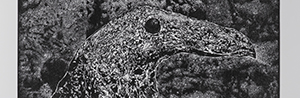
Zapraszamy do zapoznania się z fotoreportażem z wernisażu wystawy: Iwona Cur. Grafika Wernisaż odbył się w Międzynarodowym Centrum Sztuk Graficznych w Krakowie 04. kwietnia 2017 Wystawa otwarta jest do 25.04.2017
2017-03-24
Iwona Cur - Grafika
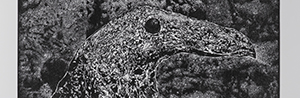
Prezes i Zarząd Stowarzyszenia Międzynarodowe Triennale Grafiki w Krakowie zapraszają na wernisaż wystawy: Iwona Cur - Grafika Wernisaż odbędzie się: 04 kwietnia 2017 (wtorek) o godz. 18:00
2017-03-20
Najlepszy Dyplom - Grafika. Uczeń i Jego Promotor 2016. - zapowiedź

Szanowni Państwo, z dumą informujemy, że już niedługo na naszej stronie http://www.dyplomy.triennial.cracow.pl/ będzie można się zapoznać z najnowszą - 13-stą edycją programu Najlepszy Dyplom - Grafika. Uczeń i Jego Promotor 2016.
2017-03-14
[Patronaty SMTG] Maria Kaleta - Together - wernisaż
![[Patronaty SMTG] Maria Kaleta - Together - wernisaż](/files/objects/3625/14/300x100.jpg)
Zachęcamy do zapoznania się z krótkim fotoreportażem z wernisażu wystawy Maria Kaleta Together Wernisaż odbył się 09.03.2017 w Willesden Gallery w Londynie. Wystawa objęta jest patronatem SMTG w Krakowie
2017-03-09
Fotoreportaż z wystawy "Kristi Arnold - Mergings and Minglings"

Zapraszamy do zapoznania się z fotoreportażem z wernisażu wystawy: Kristi Arnold - Mergings and Minglings oraz wystawy kontekstowej: Groteskowe wariacje
2017-03-01
Kristi Arnold - Mergings and Minglings

Prezes i Zarząd Stowarzyszenia Międzynarodowe Triennale Grafiki w Krakowie zapraszają na wernisaż wystawy: Kristi Arnold Mergings and Minglings oraz wystawy kontekstowej: Groteskowe wariacje
2017-02-27
[Patronaty SMTG] Maria Kaleta - Together
![[Patronaty SMTG] Maria Kaleta - Together](/files/objects/3586/14/300x100.jpg)
Serdecznie zapraszamy w imieniu własnym, artysty i organizatorów na wystawę: Maria Kaleta Together Wernisaż wystawy odbędzie się 9. marca 2017 w godz. 18:00 - 21:00 w Willesden Gallery 95 High Road, Londyn
2017-02-17
Fotoreportaż z wernisażu wystawy "Agnieszka Dutka - Dwoistość i przenikanie - paradoksy interpretacyjne"
Zapraszamy do zapoznania się z fotoreportażem z wernisażu wystawy: Agnieszka Dutka - Dwoistość i przenikanie -paradoksy interpretacyjne oraz wystawy kontekstowej: Asocjacje - Grafika wobec literatury Wernisaż odbył się w Międzynarodowym Centrum Sztuk Graficznych w Krakowie 14. lutego 2017 Wystawa otwarta jest do 03.03.2017
2017-02-16
[Wystawy członków SMTG] Alicja Habisiak-Matczak - Pejzaże prawdo-podobne
![[Wystawy członków SMTG] Alicja Habisiak-Matczak - Pejzaże prawdo-podobne](/files/objects/3564/14/300x100.jpg)
W imieniu Artystki i organizatorów zapraszamy na otwarcie wystawy grafik Alicji Habisiak-Matczak pt. "Pejzaże prawdo-podobne" Wernisaż odbędzie się w piątek, 24 lutego 2017, o godzinie 18:00 w Galerii Filharmonii Łódzkiej Ul. Narutowicza 20/22 - Łódź Wystawa czynna do 20 marca w godzinach od 10 do 19.
2017-02-08
[Wystawy członków SMTG] Łukasz Cywicki - czarno na białym / przestrzeń czasu
![[Wystawy członków SMTG] Łukasz Cywicki - czarno na białym / przestrzeń czasu](/files/objects/3561/14/300x100.jpg)
W imieniu autora i organizatorów serdecznie zapraszamy na wystawę: Łukasz Cywicki czarno na białym / przestrzeń czasu Wernisaż odbędzie się 9 lutego (czwartek) 2017 o godz. 18.00 Dom Sztuki Rzeszów wystawa będzie czynna do 5 marca 2017r.
2017-02-07
Agnieszka Dutka - Dwoistość i przenikanie - paradoksy interpretacyjne
Prezes i Zarząd Stowarzyszenia Międzynarodowe Triennale Grafiki w Krakowie zapraszają na wernisaż wystawy: Agnieszka Dutka - Dwoistość i przenikanie - paradoksy interpretacyjne oraz wystawy kontekstowej: Asocjacje - grafika wobec literatury Wernisaż odbędzie się: 14 lutego 2017 (wtorek) o godz. 18:00 w Międzynarodowym Centrum Sztuk Graficznych w Krakowie, Rynek Główny 29, II piętro. Wystawa czynna od 15 lutego do 03 marca 2017.
2017-01-19
[Weź udział w] 6. Międzynarodowe Biennale Grafiki - Guanlan 2017
![[Weź udział w] 6. Międzynarodowe Biennale Grafiki - Guanlan 2017](/files/objects/3552/14/logo.gif)
W imieniu organizatorów serdecznie zapraszamy do wzięcia udziału w 6. Międzynarodowym Biennale Grafiki - Guanlan 2017
2017-01-12
Fotoreportaż z wernisażu piątej wystawy Członków SMTG w Krakowie
Zapraszamy do zapoznania się z fotoreportażem z wernisażu 5. wystawy Członków SMTG w Krakowie Wernisaż odbył się w Międzynarodowym Centrum Sztuk Graficznych w Krakowie 10. stycznia 2017 Wystawa otwarta jest do 03.02.2017 fot. Tomasz Korczyński
2016-12-08
Fotoreportaż z wernisażu wystawy "Perspektywy Widzenia"

Zapraszamy do zapoznania się z fotoreportażem z wernisażu wystawy: Perspektywy Widzenia Grafika amerykańska z kolekcji SMTG w Krakowie
2016-12-05
5 wystawa członków SMTG
Drogie Graficzki i Graficy, Członkinie i Członkowie Stowarzyszenia Międzynarodowe Triennale Grafiki w Krakowie Już po raz piąty mamy zaszczyt zaprosić Państwa do udziału w Wystawie Członków SMTG w Krakowie.
2016-11-29
Perspektywy widzenia

Prezes i Zarząd Stowarzyszenia Międzynarodowe Triennale Grafiki w Krakowie zapraszają na wernisaż wystawy: Perspektywy Widzenia Wernisaż odbędzie się: 7 grudnia 2016 (środa) o godz. 18:00 w Międzynarodowym Centrum Sztuk Graficznych w Krakowie, Rynek Główny 29, II piętro.
2016-11-25
[Wystawy członków SMTG] Jacek Joostberens - Proscenium Od Nasypu
![[Wystawy członków SMTG] Jacek Joostberens - Proscenium Od Nasypu](/files/objects/3482/14/300x100.jpg)
W imieniu autora i organizatorów serdecznie zapraszamy na wystawę: Jacek Joostberens Proscenium od nasypu
2016-11-22
Fotoreportaż z wernisażu Międzynarodowego Triennale Grafiki Kraków - Falun 2016-2017

Zapraszamy do zapoznania się z fotoreportażem z wernisażu Międzynarodowego Triennale Grafiki Kraków - Falun 2016-2017
2016-11-16
Międzynarodowe Triennale Grafiki Kraków - Falun 2016-2017

Serdecznie zapraszamy na Międzynarodowe Triennale Grafiki Kraków - Falun 2016-2017
2016-11-15
Mecenas Kultury Krakowa 2015
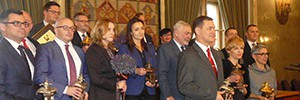
Serdecznie gratulujemy Firmie Kärcher ponownego uzyskania tytułu Mecenasa Kultury Krakowa w kategorii Sponsor, tym razem za rok 2015. Jesteśmy dumni z tego, że nasz Master Sponsor został w ten sposób wyróżniony.
2016-11-10
Fotoreportaż z wernisażu wystawy Witolda Zaręby, Non omnis moriar

Zapraszamy do zapoznania się z fotoreportażem z wernisażu wystawy: Witold Zaręba Non omnis moriar
2016-11-04
[Patronaty SMTG] Fotoreportaż z wernisażu wystawy Teatr Życia - wystawa prac graficznych ZHANGA MINJIE
![[Patronaty SMTG] Fotoreportaż z wernisażu wystawy Teatr Życia - wystawa prac graficznych ZHANGA MINJIE](/files/objects/3400/14/300x100.jpg)
Zachęcamy do zapoznania się z fotoreportażem z wernisażu wystawy: Teatr życia Wystawa prac graficznych ZHANGA MINJIE laureata MTG Kraków 2015
2016-11-03
Graficzne okno na świat - ponowna emisja

Z radością informujemy, że dnia 6. listopada 2016 r. (niedziela) o godzinie 17:35 na antenie TVP 3 Kraków będzie można ponownie zobaczyć film "Graficzne okno na świat". Wszystkich, którzy do tej pory nie mieli okazji go widzieć - serdecznie zapraszamy!
2016-10-28
Witold Zaręba | Non omnis moriar

Prezes i Zarząd Stowarzyszenia Międzynarodowe Triennale Grafiki w Krakowie wraz z Autorem zapraszają na wernisaż
2016-10-19
[Patronaty SMTG] Teatr Życia wystawa prac graficznych Zhanga Minjie laureata MTG Kraków 2015
![[Patronaty SMTG] Teatr Życia wystawa prac graficznych Zhanga Minjie laureata MTG Kraków 2015](/files/objects/3376/14/300x100.jpg)
Serdecznie zapraszamy w imieniu artysty i organizatorów na wystawę Teatr życia Wystawa prac graficznych ZHANGA MINJIE laureata MTG Kraków 2015
2016-10-17
Fotoreportaż z wernisażu wystawy Zbigniew Lutomski | drzeworyty
Zapraszamy do zapoznania się z fotoreportażem z wernisażu wystawy: Zbigniew Lutomski | drzeworyty
2016-10-14
Graficzne okno na świat

Serdecznie zapraszamy do obejrzenia filmu "Graficzne okno na świat", który zostanie wyemitowany w sobotę (15.10.2016) o godzinie 19:30 na antenie TVP 3 Kraków. Zobacz zapowiedź
2016-10-13
Odszedł Krzysztof Wawrzyniak

Z wielkim smutkiem przyjęliśmy wiadomość o odejściu wspaniałego łódzkiego grafika – profesora Krzysztofa Wawrzyniaka, Laureata Nagrody Równorzędnej przyznanej na I Międzynarodowym Triennale Grafiki w Krakowie w roku 1991
2016-10-10
Odszedł Andrzej Wajda

Z wielkim smutkiem przyjęliśmy wiadomość o odejściu Andrzeja Wajdy – wybitnego reżysera i jednego z najważniejszych twórców kultury nie tylko polskiej, ale także światowej.
2016-10-07
Zbigniew Lutomski | drzeworyty
Prezes i Zarząd Stowarzyszenia Międzynarodowe Triennale Grafiki w Krakowie wraz z Autorem zapraszają na wernisaż Zbigniew Lutomski | drzeworyty
2016-10-06
Fotoreportaż z finisażu wystawy Pokolenia

Zapraszamy do obejrzenia zdjęć z finisażu wystawy: Pokolenia - Łódzka Szkoła Grafiki Wystawa Katedry Grafiki Artystycznej Akademii Sztuk Pięknych im. Władysława Strzemińskiego w Łodzi - studenci i doktoranci.
2016-10-05
Uroczystość wręczenia nagród Carmen Arozena´s print award 2016

Uroczystość wręczenia nagród Carmen Arozena 2016 odbyła się 4 października w Museum Real Casa de la Moneda w Madrycie.
2016-09-13
Pokolenia | Łódzka szkoła grafiki – studenci i doktoranci

Serdecznie zapraszamy na finisaż wystawy POKOLENIA – Łódzka Szkoła Grafiki 5.10.2016 o godz. 18:00 do MCSG w Krakowie, Wystawa czynna od 14.09.2016.
2016-08-22
Geometria Koloru. Alviani, Berdyszak, Hebler

Serdecznie zapraszamy na wernisaż Geometria koloru | Alviani, Berdyszak, Hebler 5.09.2016 o 17:00 do Biblioteki Jagiellońskiej w Krakowie (sala wystawowa, wejście od ul. Oleandry 3.
2016-08-17
Final Show 2 – PATA 2016

Serdecznie zapraszamy na drugą wystawę Final Show, prezentującą prace uczestników sierpniowej edycji tegorocznych kursów PATA. Wystawa odbędzie się 17 sierpnia 2016 r. w Galerii Biała Ściana o godz. 12.00. Wstęp wolny!
2016-07-19
PATA 2016 - wykład Prezes SMTG Marty Raczek-Karcz

Zapraszamy na wykład dr Marty Raczek-Karcz pt. „Trends in Contemporary Printmaking” 20 lipca o godz. 16.00 Kino 3D, Centrum Nauki i Sztuki ASP w Łodzi, ul. Wojska Polskiego 121
2016-07-18
Wydarzenia towarzyszące PATA 2016

Serdecznie zapraszamy wszystkich zainteresowanych na wydarzenia towarzyszące lipcowej edycji Letnich Międzynarodowych Kursów Grafiki i Tkaniny Artystycznej PATA 2016.
2016-07-12
V Międzynarodowe Biennale Grafiki Cyfrowej – Gdynia 2016 – 1 etap

Dnia 8.07.2016 r. odbyło się posiedzenie jury, które na podstawie nadesłanych prac zakwalifikowało 96 autorów profesjonalnych, z kraju i zagranicy do udziału w II etapie konkursowym.
2016-09-17
Podziękowania
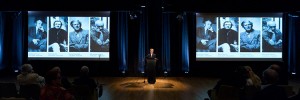
Szanowni Państwo, drodzy graficy, drogie graficzki, przyjaciele grafiki.W imieniu swoim i Zarządu Stowarzyszenia Międzynarodowe Trienanle Grafiki w Krakowie chciałam Państwu bardzo serdecznie podziękować [...]
2016-06-17
Prezentacja Medalu i Dyplomu Jubileuszu 50-lecia MBG/MTG

Prezentujemy Medalu i Dyplom, które zostały wręczone podczas Gali Jubileuszu 50-lecia Międzynarodowego Biennale i Triennale Grafiki w Krakowie
2016-06-17
Zarząd IX kadencji SMTG w Krakowie

W dniu 14 czerwca 2016 roku w wyniku jawnego głosowania Zarząd IX kadencji ukonstytuował się w następującym składzie [...]
2016-06-09
Jubileusz 50-lecia MBG/MTG - wernisaże

Serdecznie zapraszamy na wernisaże wystaw jubileuszowych Okno na świat (13.06.2016, 17:00), Planty przy Barbakanie oraz 50/50 (14.06.2016, 18:00) MCSG, Rynek Główny 29, II p.
2016-06-09
Odsłonięcie tablicy pamiątkowej poświęconej Prof. Witoldowi Skuliczowi
Serdecznie zapraszamy na odsłonięcie tablicy pamiątkowej poświęconej Profesorowi Witoldowi Skuliczowi, umieszczonej na elewacji Teatru Bagatela w czwartek 16.06.2016 o 12.00 na ul. Karmelickiej.
2016-06-19
In Varietate Concordia | Zjednoczeni w rożnorodności | Poland Bialystok Spodki Gallery | PRISM 7
Wojewódzki Ośrodek Animacji Kultury w Białymstoku zaprasza na otwarcie wystawy światowej grafiki In Varietate Concordia | Zjednoczeni w rożnorodności 9.06.2016 o 18:00, Galeria Spodki, WOAK, ul. Św. Rocha 14, Białystok.
2016-06-08
Walne Zgromadzenie Członków SMTG - Regulamin i Porządek obrad.

Przypominamy, że Walne Zgromadzenie Sprawozdawczo-Wyborcze Członków SMTG zostało wyznaczone na dzień 14 czerwca 2016 roku (wtorek), godz. 14:00 (drugi termin, godz. 14:15). Prosimy o zapoznanie się z Porządkiem obrad i Regulaminem wyborczym.
2016-05-31
Sprawozdanie z działaności merytorycznej Zarządu SMTG VIII kadencji za rok 2015

Opublikowaliśmy Sprawozdanie z działalności merytorycznej Zarządu SMTG VIII kadencji za okres od 1.01.2015 – 31.12.2015. Bardzo prosimy zainteresowane osoby o zapoznanie się z treścią sprawozdania przed Walnym Zgromadzeniem.
2016-05-16
Walne Zgromadzenie Sprawozdawczo-Wyborcze Członków SMTG | 2016

Szanowne Członkinie i Szanowni Członkowie SMTG, w imieniu Zarządu SMTG pragnę poinformować, że Walne Zgromadzenie Sprawozdawczo-Wyborcze Członków SMTG zostało wyznaczone na dzień 14 czerwca 2016 roku (wtorek).
2016-05-12
Grafika i Czas | Galeria Pryzmat | Jubileusz 50-lecia MBG/MTG w Krakowie

Zapraszamy na wystawę Grafika i czas 13.05.2016 (piątek) o godz. 18:00 do Galerii Pryzmat w Krakowie. Wystawa w ramach Jubileuszu 50-lecia MBG i MTG w Krakowie.
2016-05-12
Ryszard Otręba. Grafika w MCSG

11 maja 2016 odbyło się otwarcie wystawy Ryszard Otręba. Grafika w Galerii Centrum MCSG w Krakowie. Zapraszamy do obejrzenia zdjęć z wernisażu, oraz do odwiedzenia wystawy, która będzie czynna do 1 czerca 2016.
2016-04-28
Utazu Art Award 2016
W sobotę dnia 23 kwietnia w ramach Utazu Art Award 2016 Katarzyna Dziuba odebrała Toshihiro Hamano Award, za grafikę: Processing XI. Nagrodzone zostały także Dorota Nowak (trzecia nagroda) i Olga Pałka-ślaska (czwarta nagroda). Serdecznie gratulujemy!
2016-04-22
SEMAFORY. Wybrane grafiki laureatów Międzynarodowego Biennale i Triennale Grafiki w Krakowie 1996 – 2015

Serecznie zapraszamy na wernisaż SEMAFORY. Wybrane grafiki laureatów Międzynarodowego Biennale i Triennale Grafiki w Krakowie 1966 – 2015 27.04. o 18:00, Budynek dawnej Przemysłowej Szkoły Żeńskiej ul. Syrokomli 21, Kraków.
2016-04-15
Grafika i ekologia | zdjęcia z wernisażu 14.04.2016
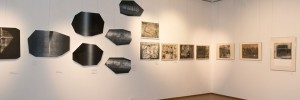
Zapraszamy do obejrzenia zdjęć z wczorajszego wernisażu wystawy Grafika i Ekologia w Galerii Centrum MCSG w Krakowie. Wystawę można oglądać do 4.05.2016 w dni robocze w godzinach 11:00 – 16:00. Wstęp wolny, zapraszamy.
2016-04-04
Grafika i ekologia | Katarzyna Winczek, Jan Szmatloch, Barbara Czapor-Zaręba, Nicoletta Scilimati
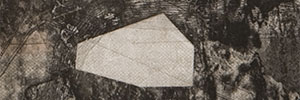
Serdecznie zapraszamy na wernisaż wystawy Grafika i ekologia | Katarzyna Winczek, Jan Szmatloch, Barbara Czapor-Zaręba, Nicoletta Scilimati 14.04.2016 o 18:00 do MCSG w Krakowie.
2016-03-21
Życzenia Wielkanocne

Z okazji zbliżających się Świąt Wielkanocnych pragniemy złożyć najserdeczniejsze życzenia: wielu radosnych chwil, dużo zdrowia, odpoczynku w rodzinnym gronie oraz smacznego jajka i mokrego dyngusa. Zarząd i Pracownicy SMTG
2016-03-21
Coraz ciaśniej w naszej klatce | zdjęcia z wernisażu
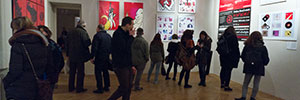
W piątek odbył się wernisaż wystawy pt. Coraz ciaśniej w naszej klatce. Zapraszamy do obejrzenia zdjęć z otwarcia, oraz do odwiedzenia wystawy, która będzie czynna do 6 kwietnia 2016.
2016-03-08
Coraz ciaśniej w naszej klatce

Serdecznie zapraszamy na wernisaż wystawy dydaktyków Wydziału Grafiki i Sztuki Mediów ASP we Wrocławiu p.t. CORAZ CIAŚNIEJ W NASZEJ KLATCE 18.03.2015 (piątek) o godz. 18:00 w MCSG w Krakowie
2016-03-14
[Patronaty SMTG] Od abstrakcji do figuracji | Janáček, Pawłowski, Kukawski, Kwiatkowski
![[Patronaty SMTG] Od abstrakcji do figuracji | Janáček, Pawłowski, Kukawski, Kwiatkowski](/files/objects/2906/14/plakatPL.jpg)
Serdecznie zapraszamy w imieniu Artystów i Organizatorów na wernisaż wystawy Od abstrakcji do figuracji | Janáček, Pawłowski, Kukawski, Kwiatkowski 17.03. 2016 19:00, Centrum Grafiki i Badań Wizualnych "AKADEMIJA" w Belgradzie.
2016-03-11
[Weź udział w] 4th Graphic Art Biennial of Szeklerland
![[Weź udział w] 4th Graphic Art Biennial of Szeklerland](/files/objects/2918/14/G4_graphic_art_biennial_of_Szeklerland_2016_open_call.png)
4 Biennale Grafiki w Szeklerland zaprasza do udziału, termin zgłaszania cyfrowo prac został przedłużony do 25 marca 2016. Szczegóły na www.grafikaiszemle.ro i na facebooku: www.fb.com/grafikaiszemle
2016-03-11
Wykład prof. Sławomira Ćwieka towarzyszący wystawie Pokolenia

Zapraszamy serdecznie na wykład prof. Sławomira Ćwieka towarzyszący wystawie Pokolenia | Łódzka Szkoła Grafiki. poświęcony Katedrze Grafiki Artystycznej ASP w Łodzi. Wykład odbędzie się 14.03.2016 o godz. 13:30 w Galerii Centrum MCSG w Krakowie.
2016-03-09
Wystawa Pokolenia – Łódzka Szkoła Grafiki

Wystawa Pokolenia – Łódzka Szkoła Grafiki będzie czynna jeszcze tylko do Niedzieli 13.03.2016. W weekend możliwe będzie zobaczenie wystawy w godzinach 11:00-16:00, ale wystawa udostępniana będzie tylko po wcześniejszej rezerwacji.
2016-01-03
Frans Masereel Centrum | PORTFOLIO WEEKEND 2016
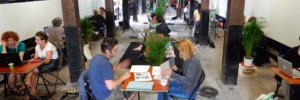
On May 6th and 7th Frans Masereel Centre in collaboration with art platform WARP organizes a portfolio weekend where emerging artists get feedback from professionals in the art field.
2016-01-22
Członkostwo w SMTG

Z nowy rokiem zapraszamy wszystkie graficzki i wszystkich grafików, którzy chcą działać na rzecz tej wspaniałej dyscypliny artystycznej do wstąpienia w szeregi członkiń i członków SMTG w Krakowie.